The Importance of Preventing Sexual Harassment in the Workplace (POSH): Understanding India's Legal Framework and Landmark Cases
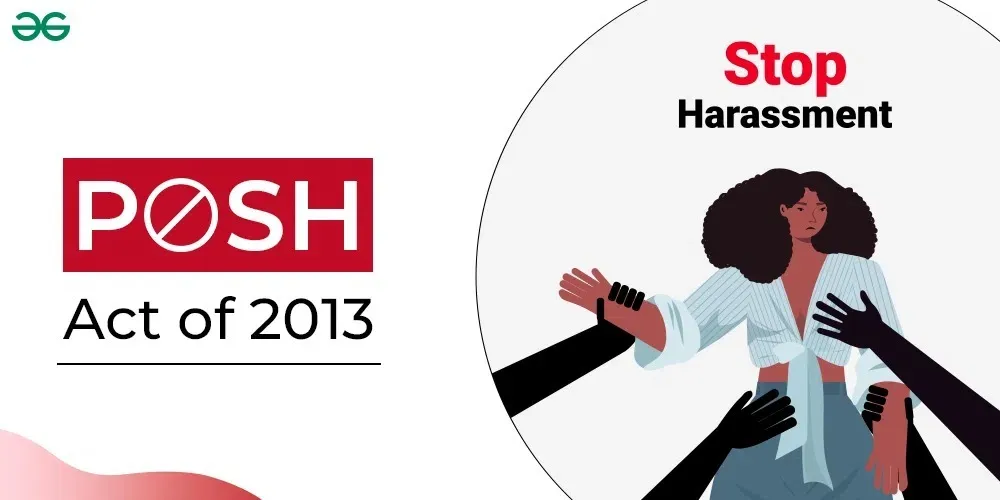
Sexual harassment in the workplace has long been an issue that many women in India have faced but struggled to address due to societal and workplace pressures. However, with the enactment of the Sexual Harassment of Women at the Workplace (Prevention, Prohibition, and Redressal) Act in 2013 (POSH Act), a legal framework was created to protect women from harassment at their places of work. This act mandates employers to establish Internal Complaints Committees (ICC), create a workplace that is free of sexual harassment, and provide a platform for complaints to be addressed fairly and promptly.
Over the years, several landmark cases in India have contributed to shaping the legal landscape concerning workplace sexual harassment. These cases have set important precedents that have influenced the formulation of the POSH Act. In this blog, we will not only explore the provisions of the POSH Act but also delve into some key landmark cases that have shaped India's legal response to sexual harassment at the workplace.
What is the POSH Act?
The Sexual Harassment of Women at Workplace (Prevention, Prohibition, and Redressal) Act, 2013, was passed by the Indian Parliament to ensure a safe and secure working environment for women. Prior to this, there was no specific law addressing sexual harassment in the workplace, although provisions under the Indian Penal Code (IPC) dealt with some aspects of sexual misconduct.
The POSH Act outlines clear guidelines for employers, employees, and legal institutions on how to handle incidents of sexual harassment at the workplace. This law requires employers with more than 10 employees to set up an Internal Complaints Committee (ICC) to investigate and address complaints of sexual harassment. The Act also requires employers to conduct training and awareness programs about workplace harassment.
What Constitutes Sexual Harassment?
The POSH Act provides a broad definition of sexual harassment, which includes both physical and non-physical forms of harassment. Some examples include:
- Physical contact and advances: Unwelcome touching, groping, or inappropriate physical proximity.
- Sexual remarks or jokes: Comments or teasing of a sexual nature.
- Sexually explicit material: Display of sexually explicit content, whether in the form of posters, images, or messages.
- Unsolicited messages or emails: Sending sexually explicit or suggestive messages to colleagues or subordinates.
- Stalking and leering: Engaging in unwanted surveillance or making lewd gestures.
The Act emphasizes that sexual harassment does not have to be limited to physical acts; it also covers emotional and psychological harassment, creating a broader understanding of what constitutes harassment.
Landmark Cases That Shaped Workplace Sexual Harassment Law in India
The issue of workplace sexual harassment has been the subject of several landmark cases in India. These cases have not only highlighted the seriousness of the issue but have also led to important legal reforms, including the enactment of the POSH Act. Here are some key cases:
1. Bhanwari Devi and Vishakha: The Landmark Case That Shaped India's Sexual Harassment Laws
India's journey toward recognizing and preventing sexual harassment at the workplace began with the tragic Bhanwari Devi case, which led to the Vishakha Guidelines and, eventually, the Sexual Harassment of Women at Workplace (Prevention, Prohibition, and Redressal) Act (POSH Act) of 2013. These landmark cases, though distinct, are interconnected and have played a pivotal role in shaping India's legal framework for sexual harassment prevention.
Bhanwari Devi, a Dalit social worker in Rajasthan, was gang-raped in 1992 by upper-caste men after she attempted to stop a child marriage. Despite her efforts, the authorities mishandled the case, and her attackers were not held accountable. This case highlighted the need for systemic change and legal protection for women, particularly in rural areas. It sparked public outrage and brought attention to the need for laws addressing violence and harassment against women.
In the aftermath of this, Vishakha, a social worker, filed a petition seeking guidelines to prevent workplace sexual harassment, arguing that women lacked legal protection in their professional environments. In 1997, the Supreme Court responded with the Vishakha Guidelines, a set of regulations that required employers to implement mechanisms for preventing and addressing sexual harassment.
2. Medha Kotwal Lele v. Union of India (2012)
This case came about when the petitioner, Medha Kotwal Lele, challenged the lack of proper implementation of the Vishakha guidelines in various institutions, particularly in educational and government sectors. The Supreme Court ruled that the guidelines laid out in the Vishakha judgment must be strictly followed, and it emphasized the importance of creating a safe and secure workplace for women. This case reiterated that the Vishakha guidelines should be followed until specific legislation, like the POSH Act, came into effect.
It also highlighted the importance of setting up an effective Internal Complaints Committee (ICC) and taking prompt action when complaints were made.
3. Rupan Deol Bajaj v. K.P.S. Gill (1995)
The case of Rupan Deol Bajaj v. K.P.S. Gill involved an allegation of sexual harassment against the then Director General of Police (DGP) of Punjab, K.P.S. Gill. Rupan Deol Bajaj, a senior police officer, alleged that Gill had made unwelcome advances towards her, which she found deeply offensive. The Punjab and Haryana High Court ruled in favor of Bajaj, stating that even though Gill was a senior officer, his actions amounted to sexual harassment and violated the dignity of the complainant.
This case was significant because it involved a high-ranking official and a powerful institution—highlighting that sexual harassment can occur at any level of the workplace, regardless of the hierarchical structure. It emphasized the importance of protecting women’s rights, regardless of their position or the offender’s rank.
4. Tata Engineering & Locomotive Co. Ltd. v. V. G. H. V. Venugopal (2007)
In this case, the Supreme Court addressed an important issue of procedural fairness and how companies should handle cases of sexual harassment. The case involved a female employee of Tata Engineering who alleged that her superior had harassed her. The Supreme Court ruled that the company had not adequately investigated the matter, and it ordered that the employee be compensated for the distress caused by the harassment.
The ruling reinforced the need for proper internal mechanisms and the obligation of companies to take sexual harassment complaints seriously. It emphasized that the failure of an organization to address harassment could lead to legal consequences and further harm to the victim.
Provisions of the POSH Act
While landmark cases like Vishakha and Medha Kotwal Lele laid the groundwork for legal protection, the POSH Act codifies these principles into law. Below are some of the key provisions of the POSH Act:
-
Establishment of Internal Complaints Committee (ICC):
- Every organization with more than 10 employees must form an ICC to address sexual harassment complaints.
-
Training and Awareness:
- Employers are required to conduct regular training sessions to educate employees about sexual harassment and how to report it.
-
Complaint Redressal:
- The POSH Act mandates that complaints be addressed within three months, and appropriate action is taken after a fair investigation.
-
Protection against Retaliation:
- Employees who report sexual harassment must be protected from retaliation. Employers are required to ensure that no adverse action is taken against the complainant.
-
Strict Penalties:
- Employers who fail to comply with the provisions of the POSH Act may face penalties, including fines and legal consequences.
The Role of Employers in Enforcing the POSH Act
The POSH Act places a significant burden on employers to create a safe and harassment-free workplace. Employers must:
- Implement Policies: Develop and enforce a clear sexual harassment policy that is communicated to all employees.
- Set Up ICCs: Establish an effective Internal Complaints Committee that can handle complaints impartially and sensitively.
- Training and Education: Regularly train employees on what constitutes sexual harassment and how they can report it.
- Ensure Confidentiality and Protection: Maintain the confidentiality of complaints and protect complainants from retaliation.
- Take Swift Action: Take immediate and appropriate disciplinary action against harassers once complaints are substantiated.
Conclusion: Creating a Culture of Respect and Equality
The enactment of the POSH Act has been an important step forward in providing women with the legal framework to combat sexual harassment in the workplace. However, the work is far from over. The key to real success lies in the implementation of the Act, the continuous education of employees, and the creation of a safe and respectful work culture where harassment is not tolerated.
The landmark cases we’ve discussed show that the fight against sexual harassment in India is not just about compliance with the law, but also about changing attitudes and creating an environment where women feel safe, valued, and empowered in their professional lives. By strengthening internal mechanisms, addressing complaints effectively, and educating employees, we can build a more inclusive and respectful workplace for everyone.